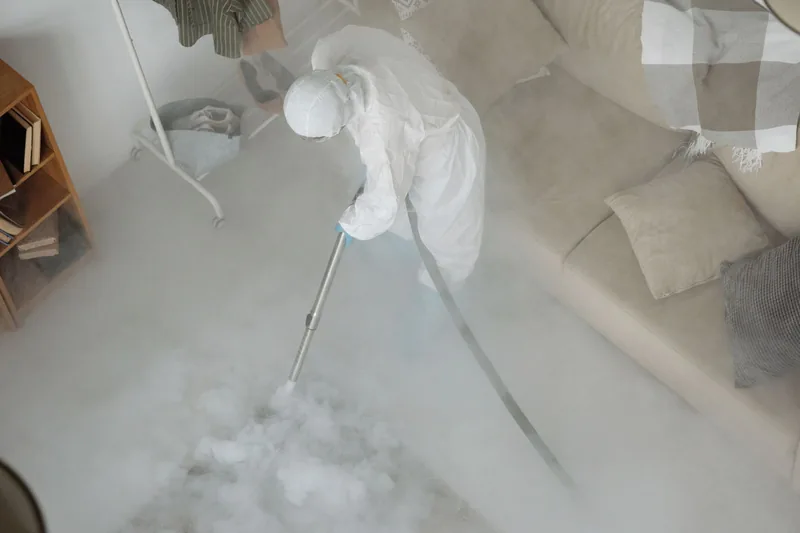
Biohazard Decontamination
Full decontamination of rooms, surfaces and air after infectious or hazardous exposure.
See biohazard decontaminationGet suspected fentanyl powder and residue assessed and cleaned from a home, rental, business or vehicle in Redington Shores. The cleanup can include containment, material removal, controlled disposal and verification.
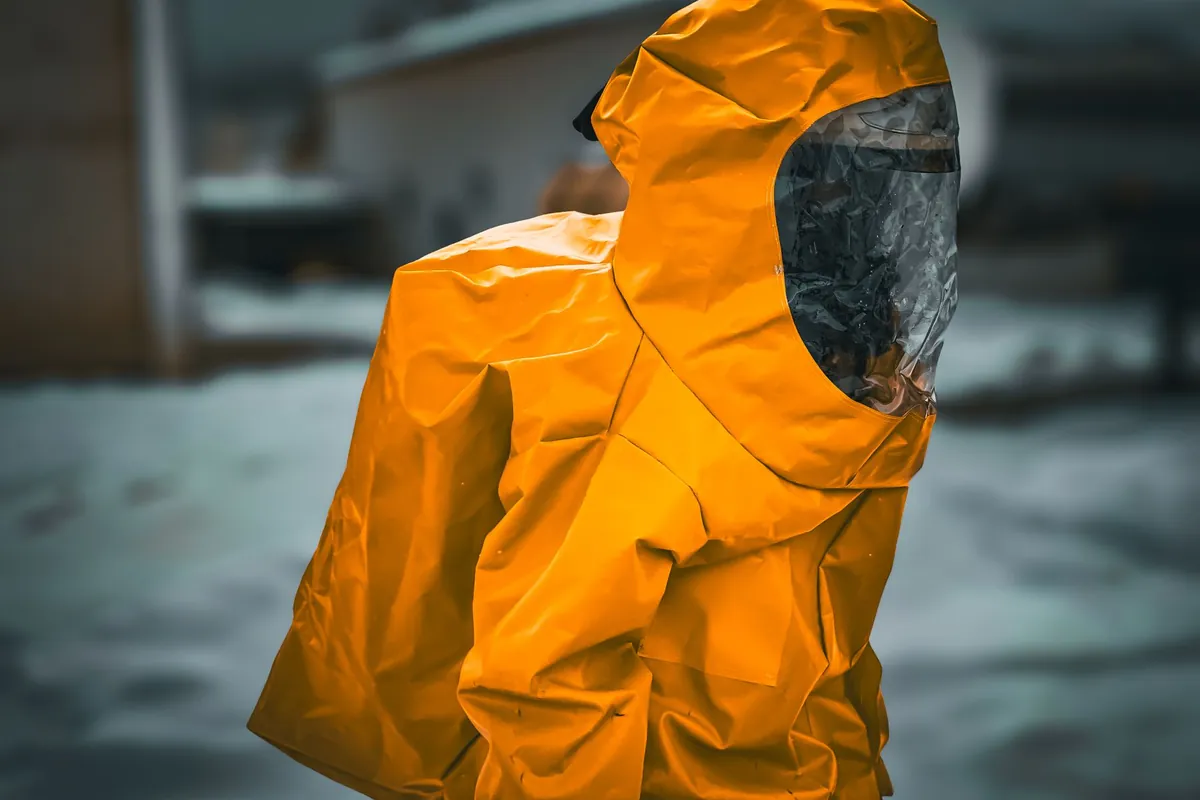
Fentanyl decontamination is the controlled cleanup of suspected fentanyl powder and residue from rooms, vehicles, belongings and building surfaces so the affected area can be evaluated for safe use.
This work is different from ordinary cleaning services. Fentanyl is a potent synthetic opioid, and powder can move to nearby surfaces when it is swept, vacuumed, blown or tracked on shoes. A professional cleanup process limits movement, identifies contaminated materials and uses protective equipment chosen for the conditions.
Before cleaning starts, each added hazard is evaluated, including needles, drug paraphernalia, bodily fluids or powder that has not been identified. Depending on the scope, the process may involve assessing residue and containing the area, carefully collecting loose material, cleaning surfaces, discarding uncleanable items, managing waste and completing verification.
Assessment considers each item's material and exposure. When conditions allow, you discuss a list of belongings before their removal.
Calls are answered day and night, and crews arrive in unmarked vehicles to protect your privacy at a home, rental, business or vehicle.
For property records or discussions with insurance companies, you can use testing files, waste documents, photos and scope details.
You receive details about included areas, proposed testing and possible cost changes before choosing how to move forward.
Cleanup may be needed if a vehicle or property could still contain fentanyl powder, suspected residue or materials used for drugs. Examples often include:
A property released by law enforcement may still contain suspected residue and items left behind that require controlled cleanup.
Emergency response may leave behind used supplies, bodily fluids or loose powder, resulting in multiple contamination types.
A restroom, office, store, warehouse or shared building area has suspected opioid residue that could spread to surrounding areas.
When property owners find drug paraphernalia, powder or packaging, they need affected areas assessed before the next occupancy.
Prevent anyone from making contact or spreading the material. When a person shows possible opioid overdose signs, including unconsciousness or slowed breathing, call 911 for emergency assistance. If naloxone is on hand and you know its proper use, administer it.
Call (888) 440-9227Two published biohazard pricing guides put each fentanyl cleanup job at $3,000 to $20,000 in one range, with the other at $5,000 to $30,000 for a job. The figures are broad guidance rather than a price for your site. Residue amount, how far it traveled, testing, protective gear, waste disposal and required material removal shape the actual scope.
These ranges come from published national cost guides, not from a site visit. The price for your property is set after the on-site assessment, and you hear it before work starts.
Ask about cost: (888) 440-9227Fentanyl cleanup insurance coverage can differ based on property type, policy terms and cause of loss. If safety does not require immediate action, ask the insurance company before starting work. Drug residue should not be assumed to have coverage.
Keep the incident report, photos taken from a safe place, cleanup scope, testing records, item list and waste documents for insurance assistance or property records.
Homeowners or renters insurance, the estate or the property owner usually pays for this kind of cleanup. The Florida crime victim compensation program helps only when a crime caused the loss.
Policy exclusions can apply to contamination, damage caused by a tenant or illegal activity. You should retain the claim number after reporting what happened and asking whether coverage applies.
The property owner may set up cleanup first, then resolve costs under the lease, an insurance claim or a legal process. Responsibility depends on the facts.
A fentanyl remediation process moves from assessment to containment, cleaning, disposal and verification. The exact method depends on the substance, amount, surfaces and whether the contamination is limited to one spot or has spread.
Technicians examine the discovered material, law enforcement details and potentially impacted belongings, rooms or parts of a vehicle.
When the substance or affected boundaries remain uncertain, samples may be gathered under controlled conditions for appropriate analysis.
Access to the workspace is controlled, air movement is reviewed and suitable clothing, gloves and respiratory equipment are selected for the documented conditions.
Loose material is removed without a household vacuum or dry sweeping, which reduces particle spread into surrounding areas.
Cleaning hard surfaces requires a process and product appropriate for opioid contamination, with directions and material requirements followed.
Technicians isolate, inventory and package porous or damaged property that cannot be cleaned well enough prior to taking it from the area.
Recovered powder, removed items and used protective equipment are packaged, then routed according to their waste classification.
After the scope is finished, technicians inspect it and may collect follow-up samples when the plan or property choice requires them.

You can call anytime. A specialist in fentanyl decontamination takes your call, explains each step and agrees on a start time with you.
Suspected fentanyl residue requires care because serious harm can result if powder enters your eyes, nose or mouth, or if you inhale it. Caution is especially important when neither the substance nor its amount is known.
You could suffer a puncture from a needle, and blood might contain bloodborne pathogens. These hazards call for suitable containers, protective gear and proper disposal procedures.
Contact with personal property, cleaning equipment, footwear or hands can transfer residue. Keeping contamination within the affected area can limit the size of the remediation process.
Dry sweeping, ordinary vacuuming, compressed air and foot traffic can move fine particles from the original spot to nearby rooms, belongings or vehicle surfaces.
Can you clean it yourself? Do not treat an unknown powder like an ordinary household spill. Fentanyl touching your skin briefly is not likely on its own to cause overdose, but leave the space, keep your hands from your face and use soap and water on exposed skin. Call 911 for breathing problems, severe sleepiness or unresponsiveness.
Hard, accessible surfaces may be cleaned, while porous items with residue deep inside may need removal. Material condition and verification needs guide each decision.
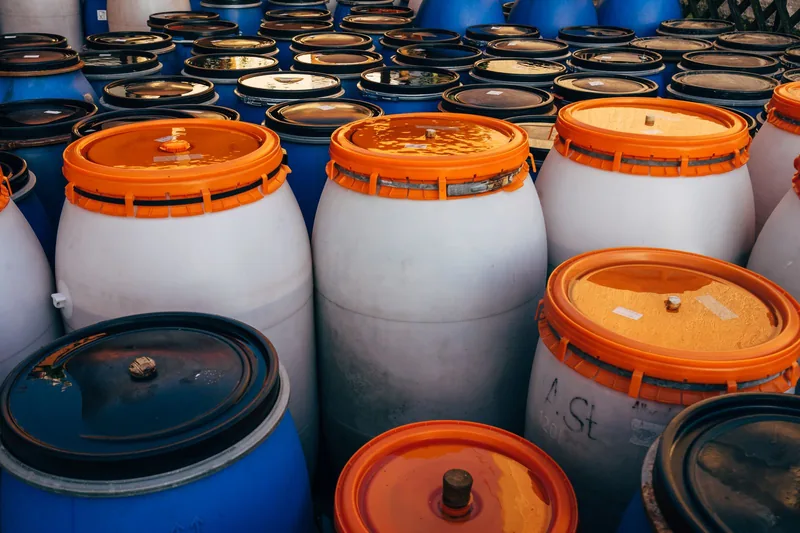
Sharps, drug residue, contaminated debris and chemical cleaning waste may each belong to a different category. Waste categories control packaging, transport and disposal.
Employers are required to identify workplace dangers and select suitable protective equipment. The presence of used needles or blood may also bring OSHA Bloodborne Pathogens Standard 29 CFR 1910.1030 into effect.
Florida calls it biomedical waste, and the term covers absorbent materials saturated with blood or body fluids. The Florida Department of Health's rules control packing, transport and treatment, so it cannot go in household trash.
Local health and building rules can affect how a contaminated room is cleaned and when it can be used again, so mention any notice you have received from the city or county.
A contained, small-scale fentanyl cleanup can take one workday. Several rooms with contamination, work inside a vehicle, material that needs removal or laboratory testing may stretch the process over several days. Assessment gives you a better timeline.
The full fentanyl decontamination guide covers what is cleaned or removed, odor and air quality work, and the rules that apply in Pinellas County and Florida.
Read the full fentanyl decontamination guideLocal population patterns, housing and site access may affect how containment and cleanup are planned.
At 16.5% renter occupancy, most housing is owner occupied, which can reduce the number of parties involved in cleanup authorization.
Local housing centers on 1976, making inspection beneath finished surfaces important when contamination extends past the visible area.
With 36.2% of seniors living alone, an unattended illness or death may go unnoticed, increasing the area affected by fluids and odor.
The 33.2% single-family share makes early building layout checks useful for separating the affected unit from shared spaces.
Your phone conversation can include questions about service in nearby ZIP codes and communities.
Full decontamination of rooms, surfaces and air after infectious or hazardous exposure.
See biohazard decontamination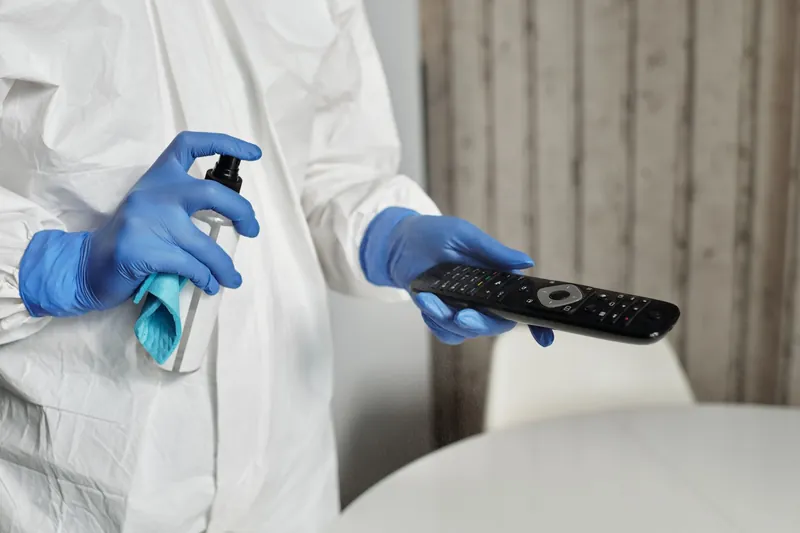
Contamination is cleared through biological remediation, returning the space to safe use.
See biohazard remediation
Cleanup removes drug residue, pipes and discarded needles from rentals and other properties.
See drug paraphernalia cleanup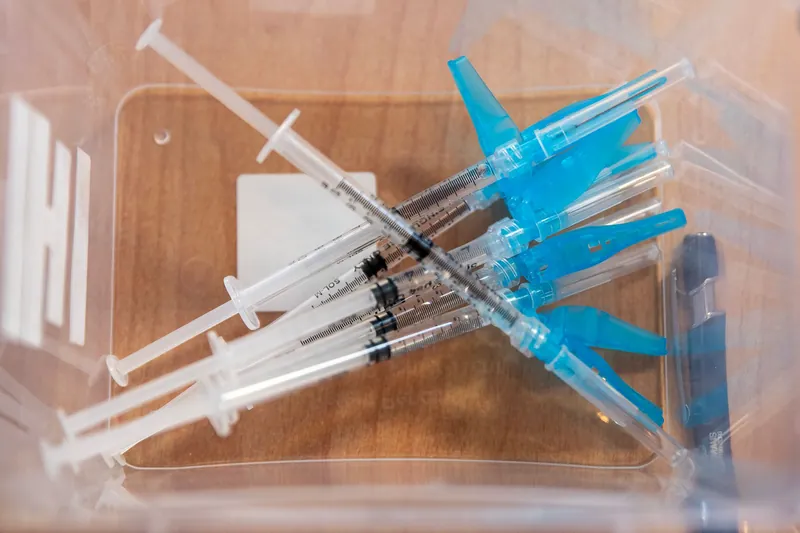
Cleanup removes sharps and needles from parks, rental sites, yards and encampments.
See needle and sharps cleanup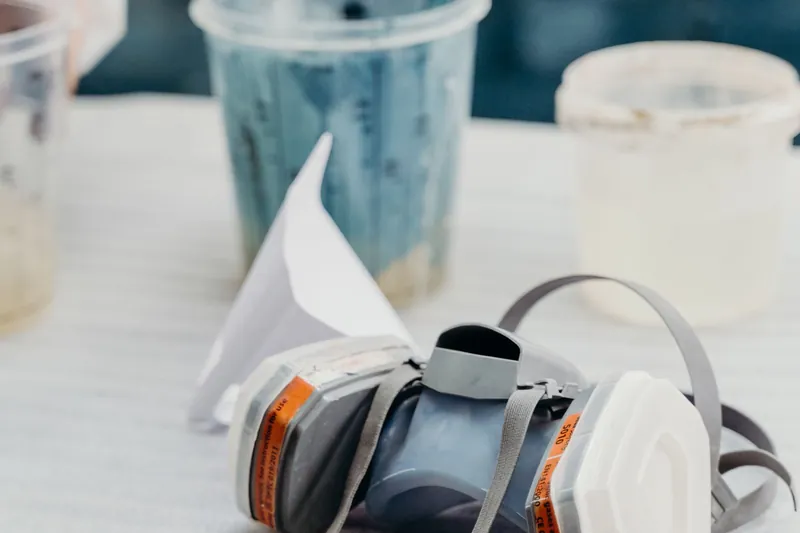
Cleanup of a meth lab covers residue testing and decontamination before the clearance process.
See meth lab cleanup
Hazmat cleanup uses the appropriate protective equipment for hazardous materials.
See hazmat cleanup
Vehicle biohazard cleanup for cars, trucks, boats and RVs.
See vehicle biohazard cleanup
Hotels, rental properties and Airbnb units receive biohazard cleanup.
See hotel, airbnb and rental biohazard cleanupFor powder you cannot identify, avoid sweeping with a broom, collecting it in a household vacuum or applying an ordinary spray cleaner. Such methods may spread particles. Prevent entry by pets and people, contact 911 if exposure or overdose is possible, and request professional cleanup advice about sharps, visible residue, unidentified material or extensive contamination.
An assessment identifies affected areas in the home before access to the workspace is limited. Technicians collect loose substances within controlled conditions. Technicians use an opioid residue method on cleanable surfaces but may take out absorbent materials with deep contamination. Documentation for the completed cleaning process includes an inspection and any sampling called for by the scope.
Possible residue calls for caution even though touching skin briefly is unlikely on its own to result in overdose. Do not touch your face. Exit the space, then clean any exposed skin using water and soap. A person who is unresponsive, severely sleepy or breathing slowly needs an immediate 911 call.
A controlled cleanup process addresses building surfaces, vehicle interiors or belongings with suspected fentanyl powder or residue. It can include assessment, testing, containment, powder collection, surface cleaning, removal of materials that cannot be cleaned, waste disposal and verification before the affected area returns to use.
Published biohazard pricing guides list broad fentanyl cleanup ranges of $3,000 to $20,000 and $5,000 to $30,000 per job. The affected area, testing, protective gear, disposal and material removal change the scope. An assessment of the property must come first when determining whether the guide ranges fit.
Avoid mixing chemicals yourself when fentanyl is suspected. A product must be compatible with the surface, suitable for the identified contamination and used according to its directions. Your skin should never be treated with bleach or harsh chemicals. After skin exposure, exit the space and wash the affected area with water and soap.
You can request respectful, discreet fentanyl decontamination 24 hours a day, and crews use unmarked vehicles.